Hello, and welcome to Monitors of Modern Art!
You can learn more about MOMA here,
browse our various collections, experience an
endless slideshow of our works, or look below for some
highlights of the gallery's best works.
(Warning: This site is not for mobile users browsing on data. Our images are large,
mostly uncompressed, and very data-intensive, so it is advised to view this website on a fast wi-fi
connection.)
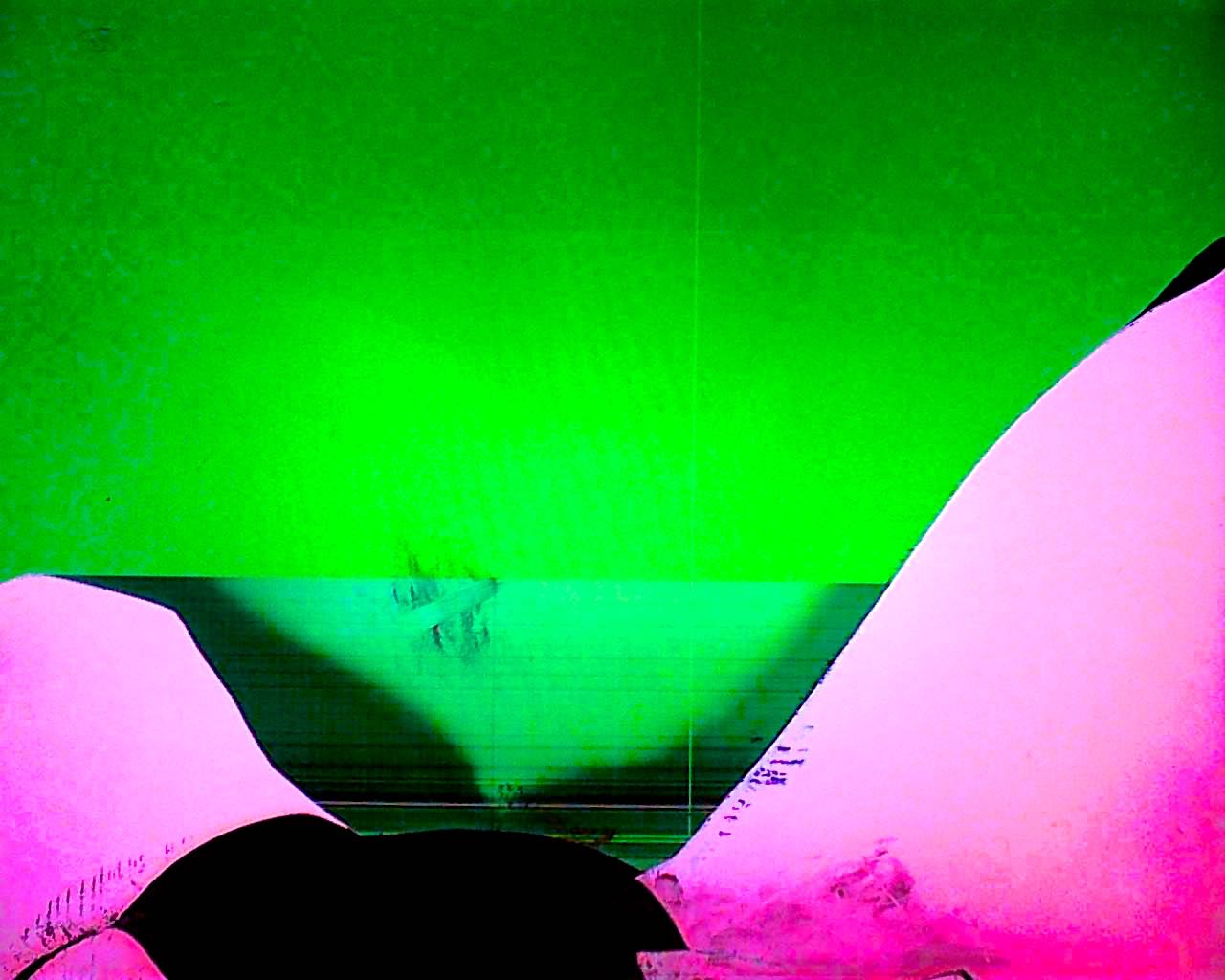
Why are ponds green? I dunno. But then, sometimes you just have to jump in, and maybe it'll make sense. This was the first work ever uploaded to Monitors of Modern Art, and serves as a strong start by presenting a simple, meaningful metaphor.
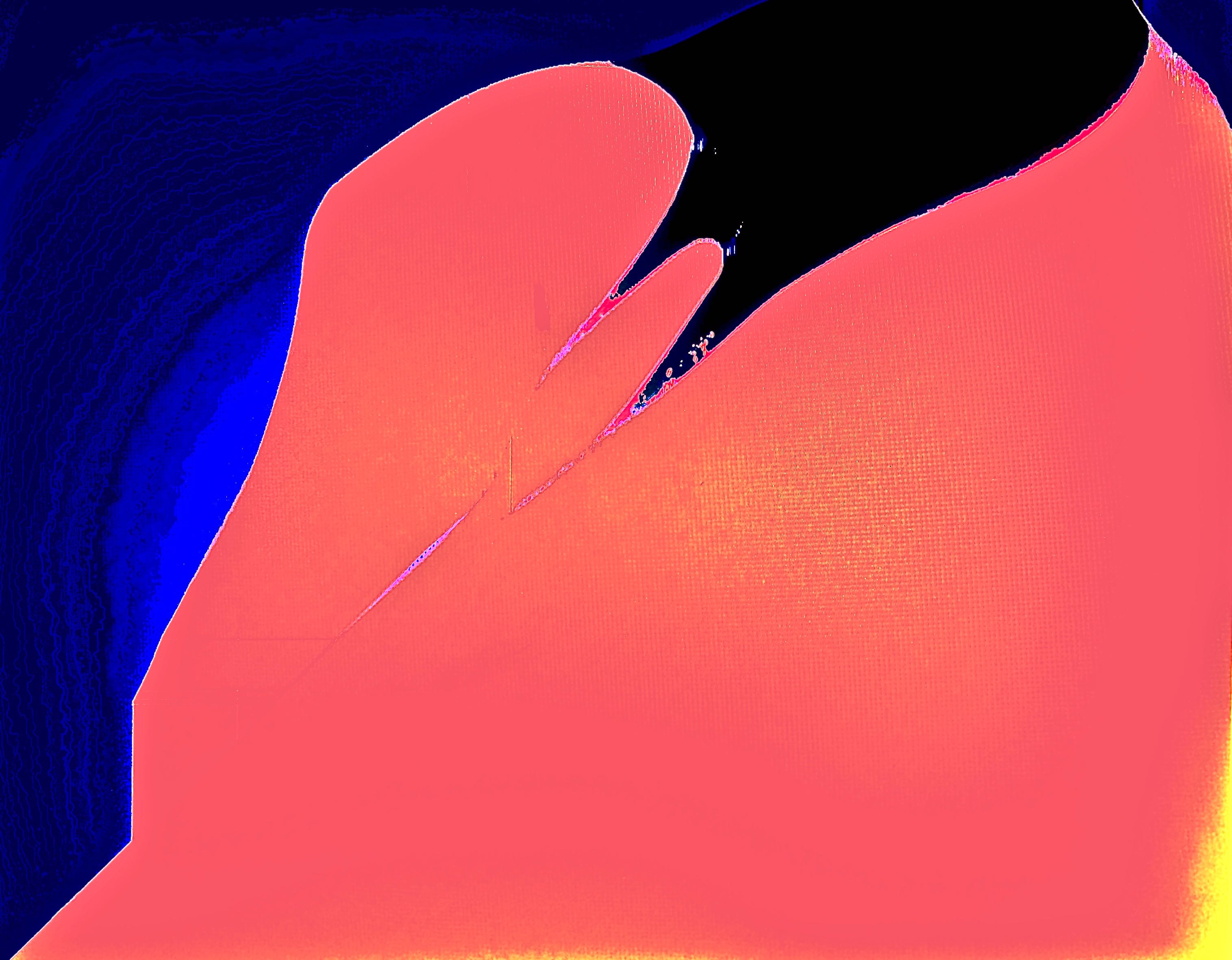
This work exemplifies elegant simplicity with both its design and its color scheme. The interesting texture in the blue background of the work simply complements the consistent tone and texture of the reddish foreground, with the contours of the image just suggesting the shape of a suit jacket without being too overt.
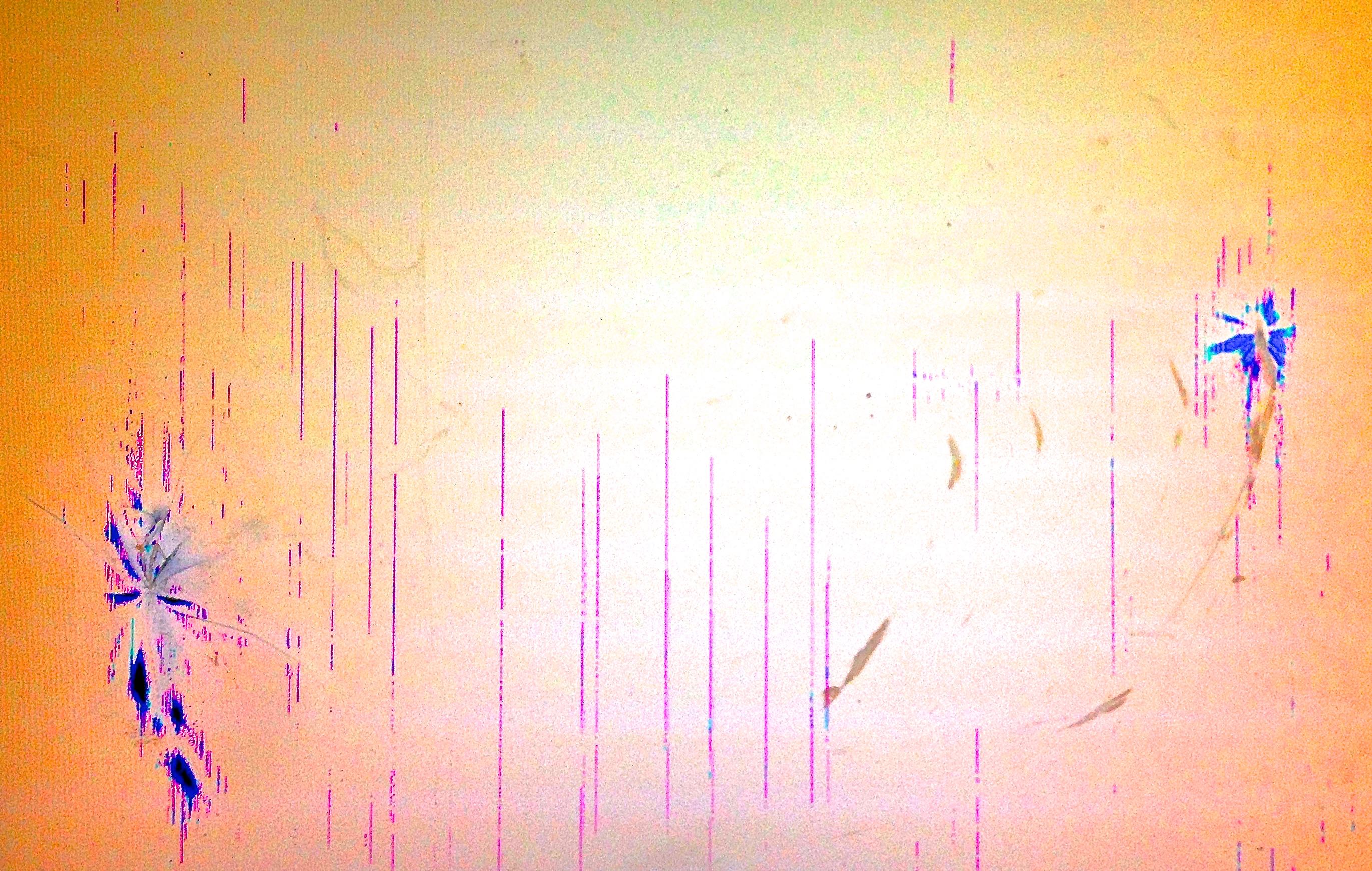
This is one of the gallery's earlier examples of pixel art, and one of the more composed works. Though quite coarse in texture, the color usage is good, with a lively yellow-peach gradient in the background, blue and cyan emphasizing the subjects of the work, and the magenta line segments help to create structure and give the work a sense of motion.
This is a fantastic work with a vey unique composition and a fascinating use of negative space and color to portray what looks like a window into a new, fantastic universe. It was taken at the same scale as most of the pixel art in this gallery, and yet does not look like pixel art at all - the work's brightness and outward motion, and blotchy shading, make it completely individual.
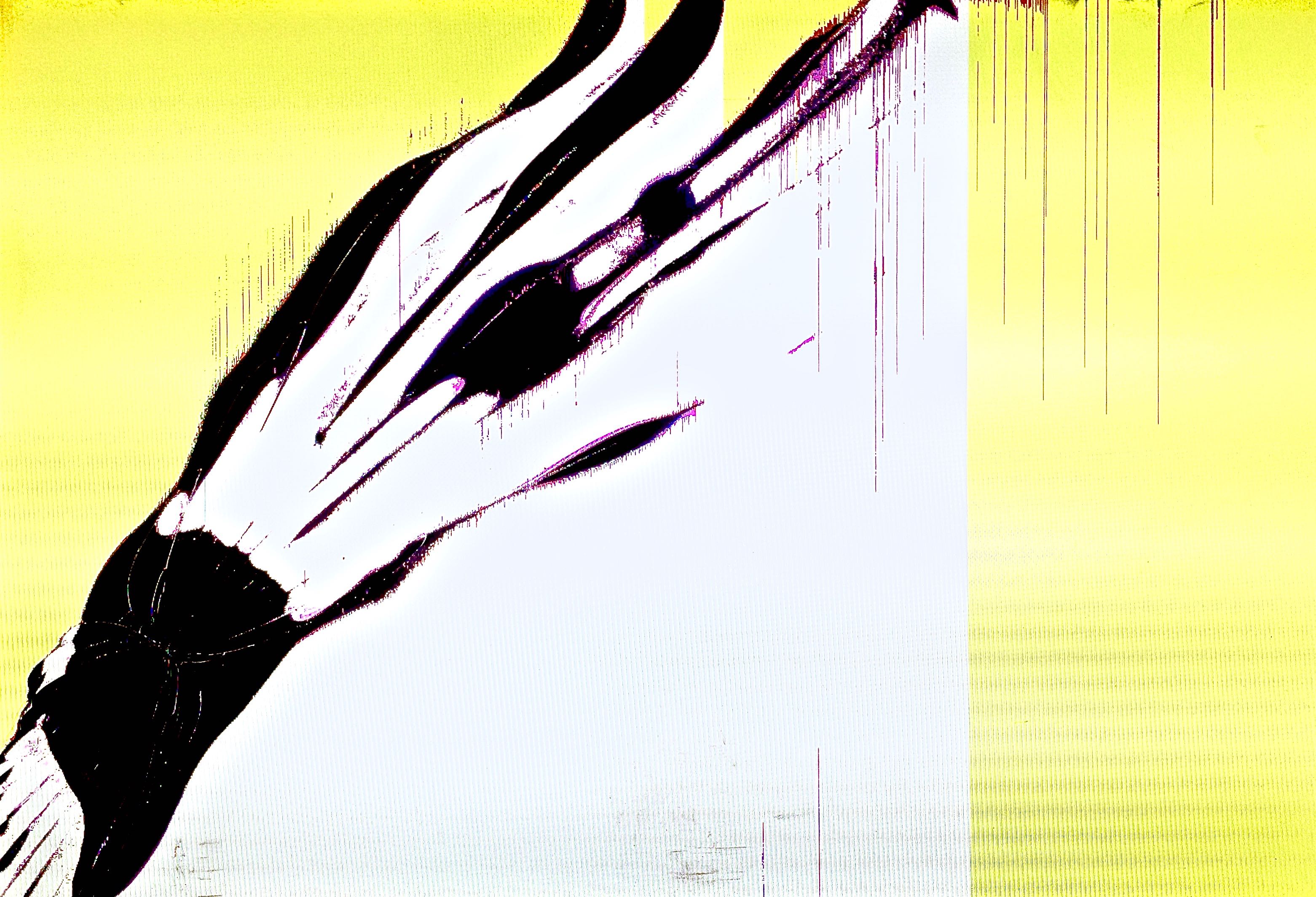
This is a simple work that focuses on design with a nice, fairly uncommon background color that complements the design well. The work's vertical lines help to emphasize the power of the spell being performed.